Rain-to-Snow Storms: Sump Pump, Drain, and Sewer Tips for Winter Safety
When Maryland winter flips from soaking rain to sudden snow, basements and crawlspaces face a one-two punch: saturated soil from rain, then snowmelt that pushes groundwater even higher. Nor’easters and strong cold fronts can also knock out power right when you need your sump pump most. If you live in Stevensville, Annapolis, Severna Park, or anywhere across Anne Arundel and Queen Anne’s counties, these cold-weather tips from Chesapeake Bay Plumbing, LLC will help you prevent winter water damage and sewer backups.
Why rain-to-snow storms overwhelm basements
Freeze-thaw cycles are rough on drainage. Rain saturates the ground, then freezing temps seal the surface and trap water. As snow melts, hydrostatic pressure against your foundation increases, forcing water toward the path of least resistance—cracks, window wells, and undersized sump systems. Yard drains collect leaves, then ice over; exterior discharge lines freeze; downspouts dump water too close to the house. On Kent Island and low-lying waterfronts near Edgewater and Highland Beach, a high water table makes pumps work harder and longer.
PAA spotlight: Do I need a battery backup for my sump pump?
Yes—if your home is prone to outages or you’ve seen your pump struggle during storms, a battery backup is smart protection. Christmas to February storms often bring wind and ice that trip GFCIs or kill power entirely. A properly sized battery backup takes over automatically, runs for hours, and sounds an alarm if the primary pump fails. Water-powered backups are an option for homes on municipal water, but not for well systems common in Queenstown and Grasonville—no power means no well pump.
Your 10-minute sump pump check before the next storm
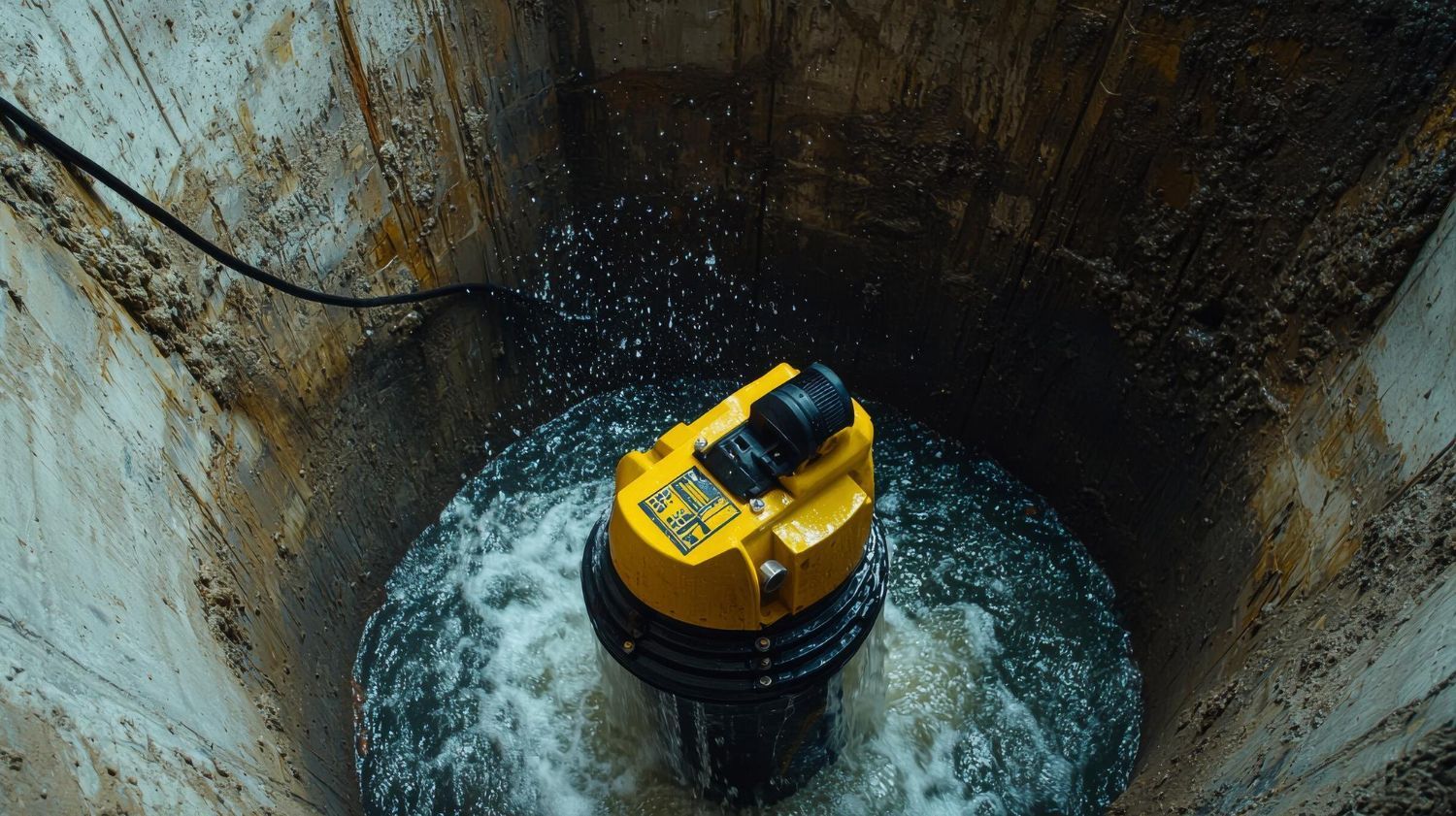
- Test the pump: Lift the float or pour water into the pit until the pump cycles on and off cleanly.
- Verify power: Plug directly into a dedicated outlet; reset any tripped GFCI. Mark the breaker.
- Inspect the check valve: Listen for water returning to the pit; if it does, the valve may be failing.
- Clear the pit: Remove debris, silt, and loose gravel that can jam the impeller.
- Check the discharge: Outside, confirm the line is sloped away from the house and not blocked or frozen.
- Drill/clean the weep hole: A small hole in the discharge pipe near the pump prevents airlock.
- Test the backup: Press the battery backup’s test button and confirm its charger is working.
- Add alerts: A Wi‑Fi water alarm or smart controller can text you if the water rises or power drops.
Keep drains and sewers moving in winter
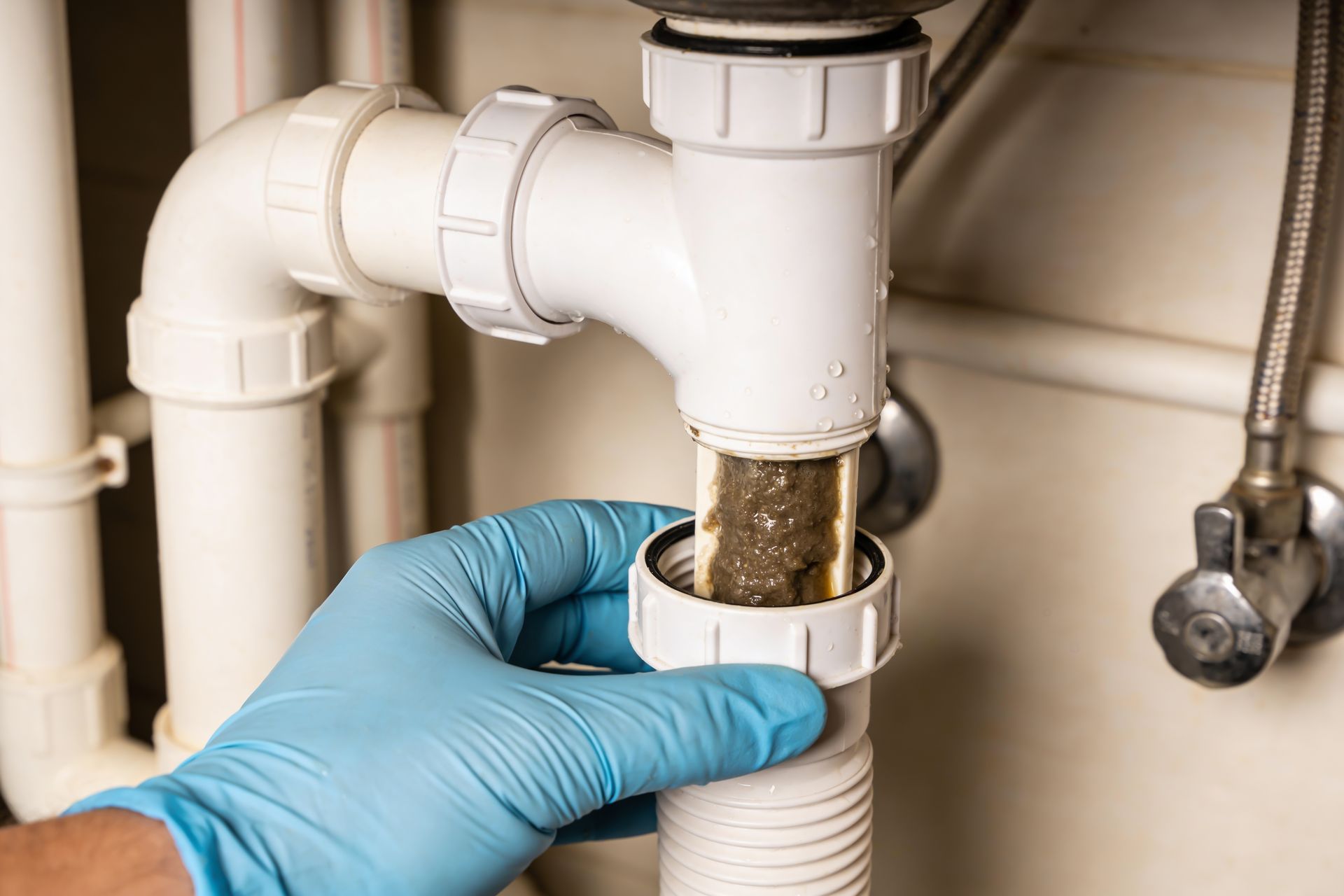
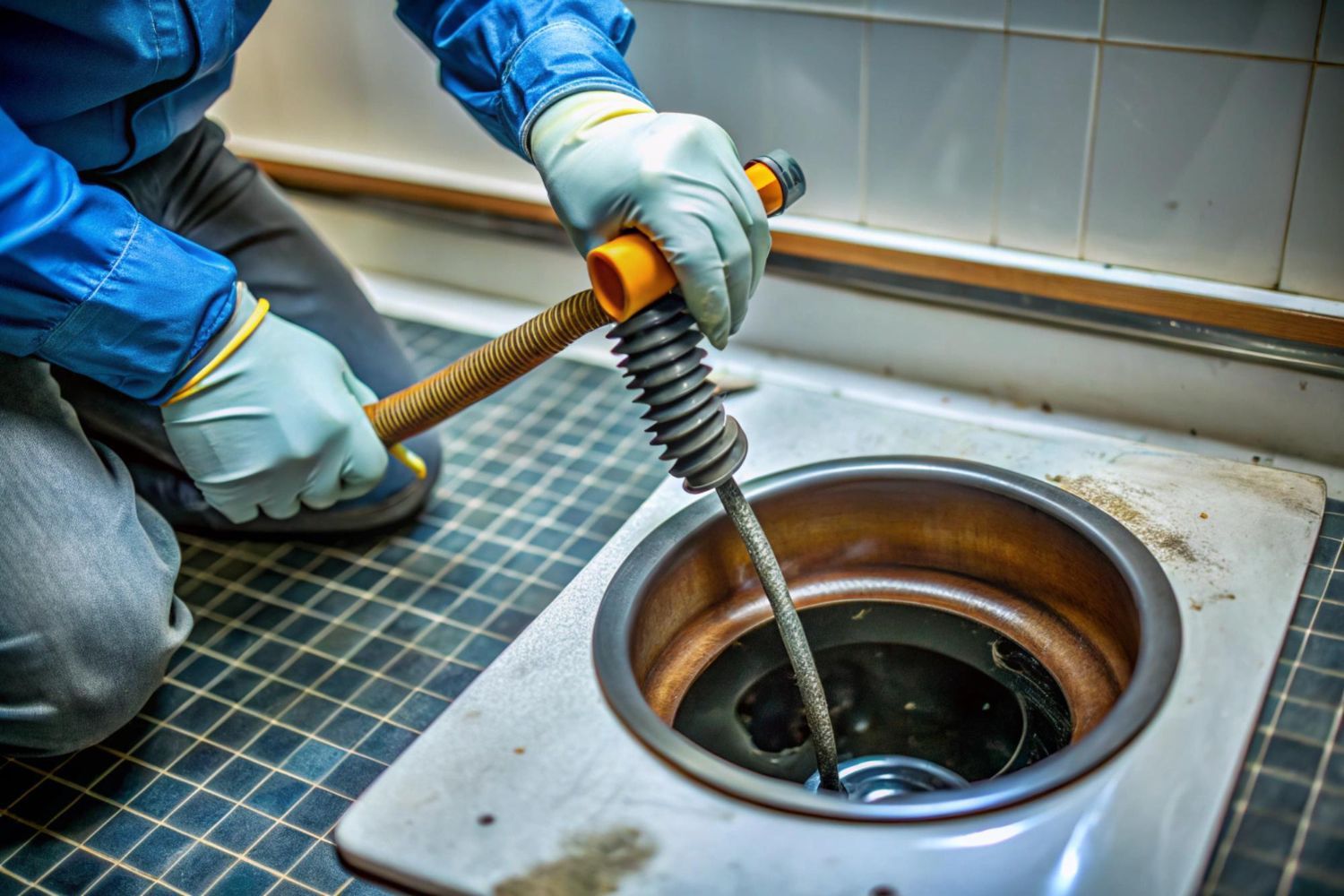
- Clean the kitchen line: Holiday grease, gravy, and peels congeal in cold pipes—schedule a preventive drain cleaning if sinks drain slowly.
- Extend downspouts: Route at least 6–10 feet from your foundation, especially on clay soils in Pasadena and Glen Burnie.
- Clear yard drains: Remove leaves from area drains and regrade low spots that pool near egress wells.
- Install or service a backwater valve: Prevents sewage from flowing back into lower-level fixtures during municipal surges or heavy infiltration.
- Locate your cleanout: Make sure it’s accessible for fast relief during a backup.
- Camera inspection: If you get recurring backups, a video inspection can identify root intrusion, bellies, or breaks in older lines in Crownsville and Arnold.
Cold-weather failure points we fix fast
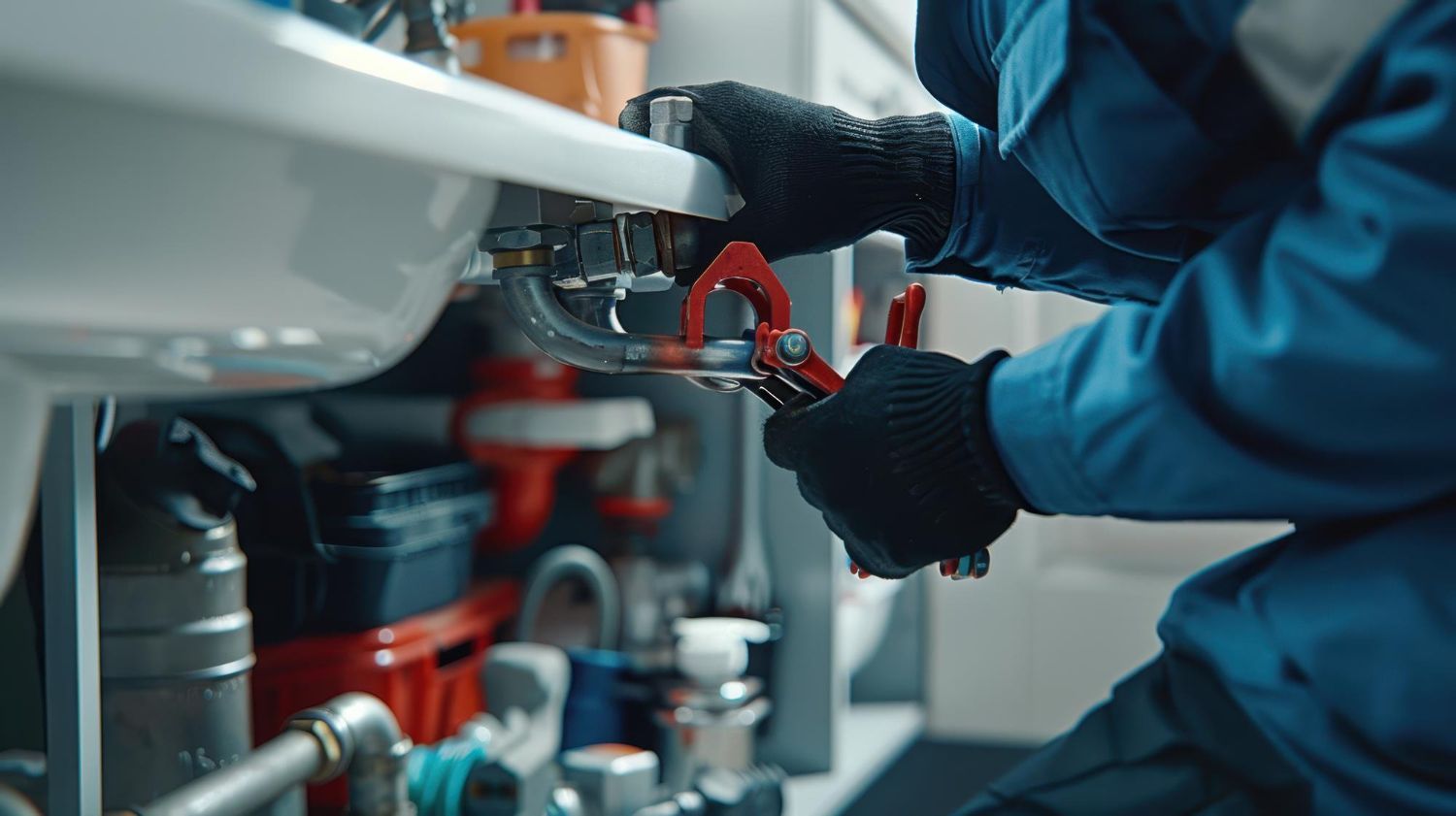
Frozen discharge lines cause pumps to short-cycle and burn out. Stuck or improperly oriented check valves send water back to the pit. An undersized pump can’t keep up when groundwater peaks after rain-plus-snow. Sewer ejector pits in basements can clog with wipes or tampons—especially during holiday guest stays—leading to messy overflows. Chesapeake Bay Plumbing diagnoses and fixes these issues, from sump pump replacement and high-head pumps to dedicated discharge reroutes, check valves, and backup systems.
Local insights for Maryland homes
Kent Island and Queen Anne’s County: High water table means pumps work longer; consider a higher-capacity primary pump and dedicated battery backup.
Annapolis and Severna Park waterfronts: Tidal influence can slow discharge; upsizing pipe and adding freeze protection helps.
Older Anne Arundel neighborhoods: Cast-iron sewer laterals can scale and crack; hydro-jetting plus a camera inspection restores flow and reveals hidden defects.
Stay safe and dry this winter
A few proactive steps now can spare you a flooded basement or sewage backup when the next storm hits. Chesapeake Bay Plumbing, LLC provides sump pump installation and backup systems, clogged drain and sewer cleaning, camera inspections, backwater valves, ejector pump service, and 24/7 emergency plumbing. We serve Stevensville, Chester, Grasonville, Queenstown, Annapolis, Riva, Arnold, Crofton, Pasadena, Edgewater, Crownsville, Glen Burnie, Severna Park, Amberley, Highland Beach, and nearby communities. Book your winter safety inspection at https://www.chesapeakebayplumbing.com/ for fast, friendly, reliable service.
Share This Blog