Cold-Weather Tankless Water Heaters: Myths, Sizing, and Upkeep in Winter
December brings cold inlet water and full houses across Annapolis, Severna Park, Stevensville, and Kent Island. If you’re wondering whether a tankless water heater can keep up during Maryland winters and holiday hosting, the answer is yes—when it’s sized and maintained correctly. Here’s how to separate myth from fact, choose the right unit for winter conditions, and keep endless hot water flowing all season.
Do tankless water heaters work in winter in Maryland?
Yes. Modern gas tankless systems are built for cold climates and include freeze-protection heaters. The key is accounting for winter inlet temperatures—often 40–50°F in Anne Arundel and Queen Anne’s counties. The colder the inlet water, the larger the temperature rise required, which reduces the unit’s gallons-per-minute (GPM) output. A correctly sized system, proper gas supply, and optional recirculation ensure reliable hot water even during back-to-back showers after a chilly morning run across the Bay Bridge.
Tankless myths—busted
Myth: Tankless heaters don’t work in cold weather. Fact: They do—provided the model is sized for a winter temperature rise and professionally installed.
Myth: Tankless means “no maintenance.” Fact: Annual descaling and filter cleaning are essential in Maryland, especially for homes on well systems in Queenstown and Grasonville.
Myth: Tankless takes longer to deliver hot water. Fact: Delivery time depends on pipe length; a recirculation loop or smart recirc pump gives near-instant hot water to distant bathrooms.
Myth: Electric tankless will run a whole house in winter. Fact: Most homes lack the electrical capacity for whole-home electric tankless at a 70–80°F rise; gas is typically the better choice here.
Sizing for Maryland’s winter temperature rise
To size correctly, estimate your simultaneous demand and required temperature rise. Most households want 120°F at the tap. If winter inlet water is 45°F, that’s a 75°F rise. A family in Annapolis running two showers and a sink at once might need 4–6 GPM at a 70–75°F rise—so look at the unit’s winter-rated output, not its maximum GPM on the box. Many homes benefit from a higher-BTU condensing model (e.g., 180k–199k BTU) with proper Category III/IV venting and gas line sizing.
Consider these factors:
- Gas supply: Undersized gas lines limit performance and cause ignition errors. We assess supply from meter to appliance and upgrade if needed.
- Venting and condensate: Cold exhaust requires code-compliant venting and a condensate drain with freeze protection; a neutralizer protects your drain lines.
- Recirculation: A built-in or add-on recirc pump with a timer or motion sensor cuts wait times, saves water, and improves winter comfort in long pipe runs.
Winter upkeep checklist for steady hot water
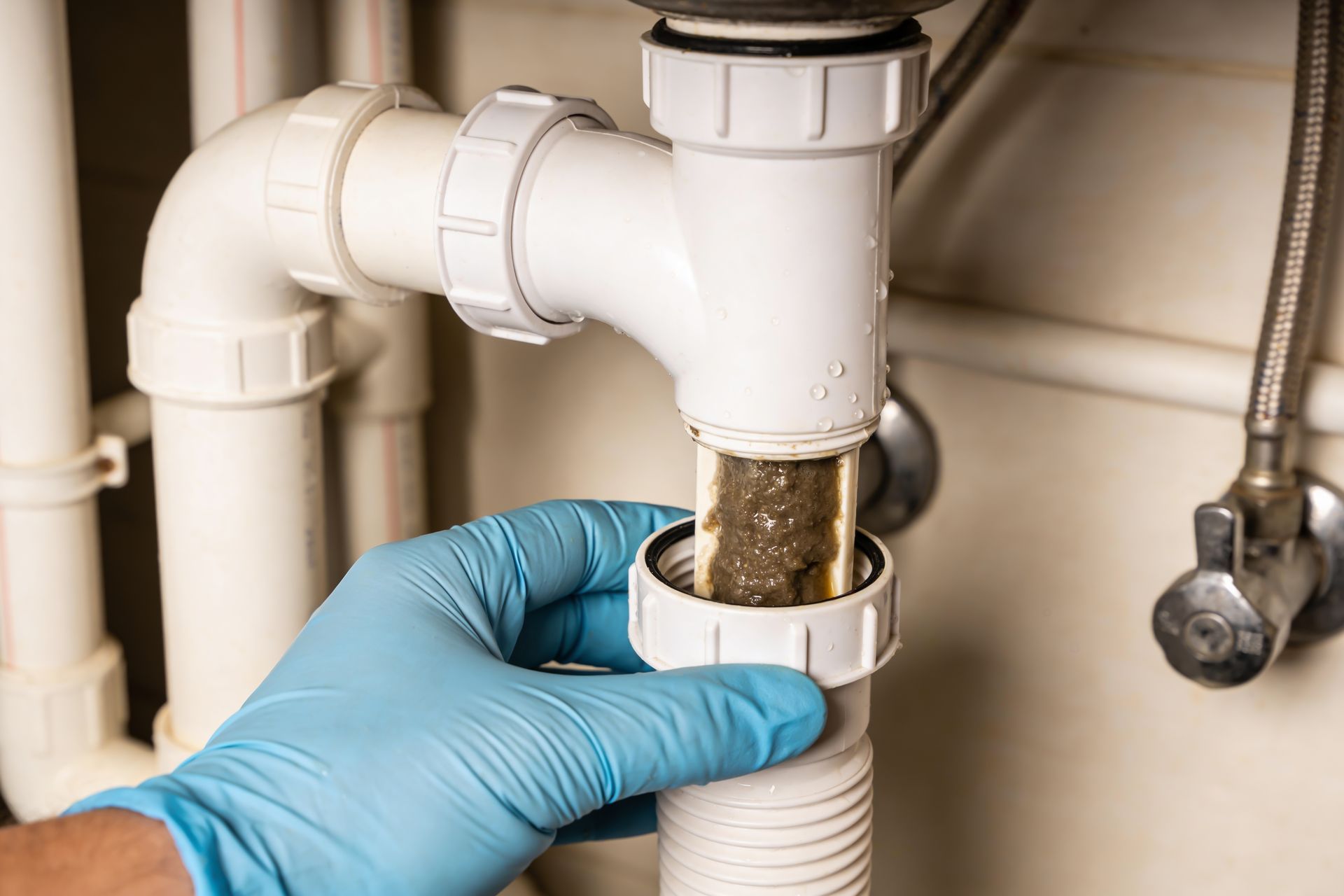
- Flush and descale annually: Mineral scale acts like a winter coat on the heat exchanger, reducing efficiency. Homes with hard water or wells should service more frequently.
- Clean inlet screens: Sediment from municipal or well systems clogs filters and starves flow.
- Insulate pipes: Wrap hot and cold lines in garages, crawlspaces, and exterior walls in Severna Park, Pasadena, and Edgewater to prevent heat loss and freezing.
- Protect exterior units: Keep power on for freeze-protection heaters, clear snow around vents, and heat-trace or insulate condensate lines.
- Check air intake: Remove leaves and debris around outdoor intakes; restricted airflow triggers error codes and lukewarm water.
- Set temp to 120°F: It’s safe, comfortable, and reduces scald risk during holiday guest stays.
Performance tips for holiday hosting
Stagger high-demand tasks: Avoid running two showers, the dishwasher, and a washing machine simultaneously if your system is borderline on GPM.
Use low-flow but high-quality showerheads: They lower GPM without sacrificing comfort, expanding your tankless capacity margin in winter.
Consider a secondary unit: Large homes in Crownsville or multi-family setups in Glen Burnie may justify a dedicated unit for a primary bath or apartment.
When to call the pros
Fluctuating temperatures, frequent ignition errors, gas smell, or a sudden drop in hot water output are red flags. Chesapeake Bay Plumbing, LLC specializes in tankless water heater installation, gas line sizing, venting, recirculation solutions, and annual maintenance tailored to Maryland winters and local water conditions.
Ready for endless, efficient hot water this winter? Schedule a tankless water heater consultation or maintenance visit with Chesapeake Bay Plumbing, LLC. We serve Stevensville, Chester, Grasonville, Queenstown, Annapolis, Riva, Arnold, Crofton, Pasadena, Edgewater, Crownsville, Glen Burnie, Severna Park, Amberley, Highland Beach, and nearby communities. Book now at https://www.chesapeakebayplumbing.com/ for friendly, expert service—often same day.
Share This Blog